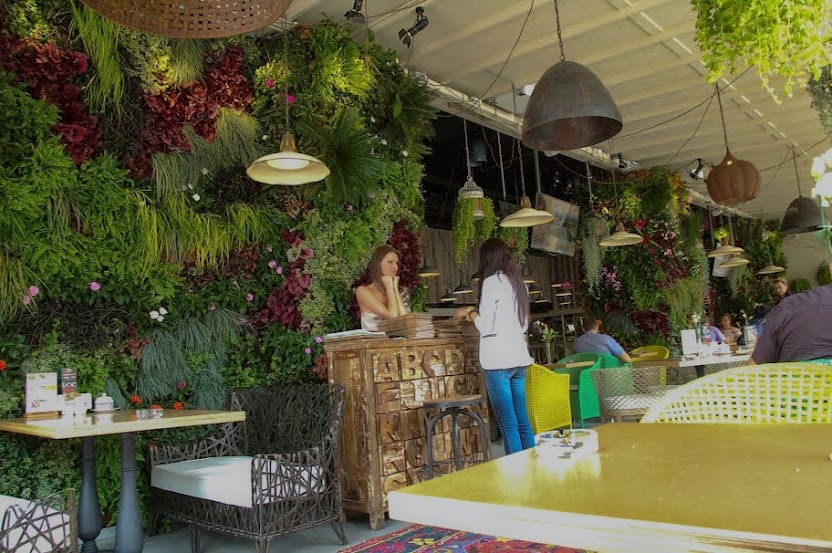
Installation d’un mur végétal
Mur végétal, mur végétalisé, cloison végétale, mur vivant ou jardin vertical… quelque soit l’appellation ou la méthode utilisée, ce concept issu du jardinage urbain consiste à végétaliser des surfaces verticales en intérieur ou à l’extérieur de bâtiments et d’habitations…
En savoir plus sur le Mur Végétal
Demander un devis pour Mur Végétal
Installation d’un toit végétal
Le principe du toit végétal aussi appelée toiture végétale, toit vert, écotoit ou toit végétalisé est de couvrir de verdure un toit plat ou à faible pente afin d’obtenir une isolation naturelle des bâtiments ainsi qu’un embellissement de l’environnement urbain dans une démarche de développement durable.
En savoir plus sur le Toit Végétal
Demander un devis pour Toit Végétal
La Pépinière Grangier
En perpétuelle recherche et découverte au sein de sa pépinière située au sud de la France, Yves Grangier peut vous accueillir et vous expliquer sa méthode dans un show room de 8000m² où vous pourrez voir de véritables murs végétaux intérieurs et extérieurs, des toitures vertes, garages et hangars végétalisés et même un arbre habitable.
En savoir plus sur la Pépinère Grangier
|
Suivez-nous sur Facebook
Commander de la Sphaigne
La sphaigne est une mousse possédant des propriétés remarquables faisant d’elle le substrat idéal pour murs végétaux en intérieur, façades végétalisées et toitures végétales à l’extérieur.
- Grande capacité d'absorption et rétention de l'eau, la sphaigne est une mousse pouvant emmagasiner 20 fois son volume en eau sans perte de volume dans le temps grâce à sa texture très légère.
- La sphaigne est inodore et antibactérienne permettant la protection contre la pourriture, les maladies et les parasites avec un pH naturellement acide de 4,8 l'on évite l'utilisation de régulateurs chimiques.
- Excellente isolation thermique
- Isolation acoustique et phonique de haut niveau (rapport de caractéristiques acoustiques et phoniques établi par le bureau VERITAS en mai 2009)
- 100% organique et biodégradable, la sphaigne est réutilisable: il suffit de la laver, de la laisser sécher au soleil et d'éliminer ce qui est abîmé pour pouvoir s'en servir de nouveau.
En savoir plus sur la Sphaigne
Commander de la Sphaigne
|